One small step: before your next holiday gathering, decide on one thing you will do, such as eating a normal breakfast, filling half your plate with vegetables and protein first or taking a short walk after the meal. One simple plan beats a long list of rules.
Holiday food is meant to be enjoyed, and it often arrives with pressure. Some people swear off treats entirely and then overeat, while others decide the whole season is a loss and give up on their routines until January. Both patterns come from all-or-nothing thinking. This guide offers calmer ways to handle parties, buffets and leftovers, so one meal does not turn into a month of discouragement.
This is general information, not medical advice or a diet plan. Speak with your physician before making changes to how you eat, especially if you have a medical condition, take medicine or have a history of disordered eating.
In this guide
Understand all-or-nothing thinking
All-or-nothing thinking treats choices as either perfect or ruined. A second helping becomes proof that the day is lost, and the rest of the day becomes a free-for-all. A more helpful view is that each meal is a new chance. One large meal does not undo your habits, any more than one salad creates them.
Notice the thoughts that sound like rules: “I have been bad,” “I blew it,” “I will start over on Monday.” Replace them with neutral ones: “That was a big meal. My next meal can be regular.”
Before the event
- Eat regular meals during the day. Skipping meals to save up often leads to overeating.
- Have a balanced snack, such as yogurt or fruit and nuts, if the meal is late.
- Decide how you want to feel afterward, and choose a plan that fits.
- Bring a dish you like, such as a vegetable side or a fruit platter.
- Drink water through the day.
At the table
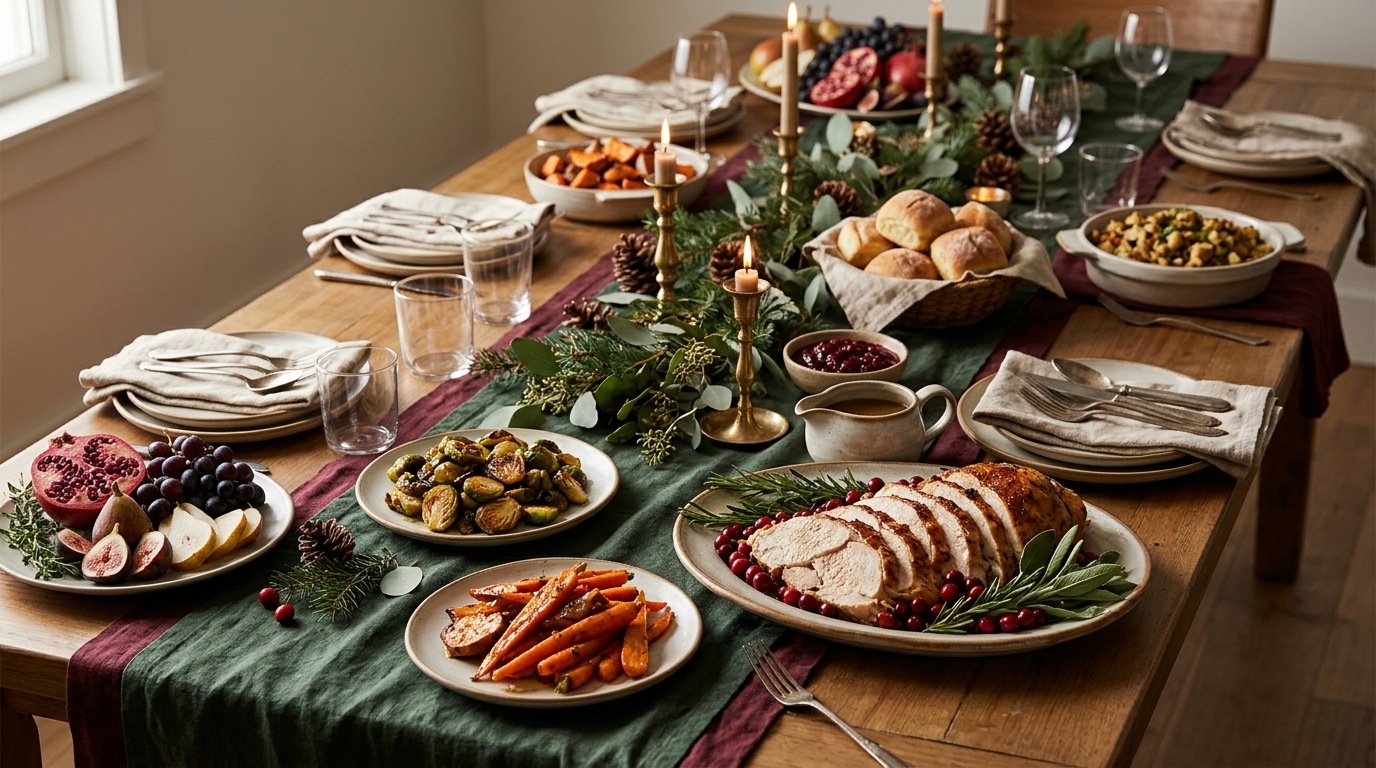
A buffet or a long dinner offers many choices at once. A few simple steps help.
- Take a lap before you fill your plate, and see what is there.
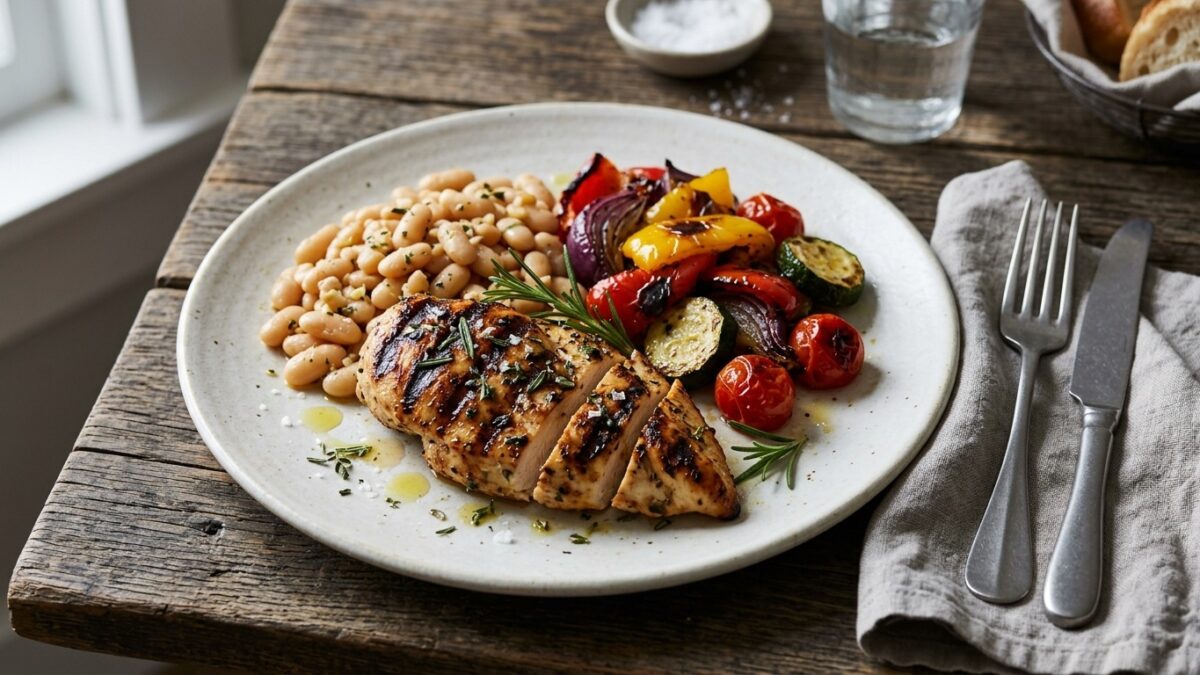
- Start with vegetables and protein, then add smaller portions of the foods you love most.
- Use a smaller plate.
- Sit down and eat slowly, putting your fork down between bites.
- Pause before seconds, and ask whether you are still hungry.
- Enjoy conversation, and take breaks from eating.
Plan for specific situations
| Situation | Plan | Why it helps |
|---|---|---|
| Buffet | Survey first, then choose | Avoids filling the plate on impulse |
| Dessert table | Pick one or two favorites | Satisfies without overdoing it |
| Drinks | Alternate with water | Slows the pace and keeps you hydrated |
| Pressure from relatives | Say “No, thank you, it was delicious” | Keeps it kind and simple |
| Snacks on the counter | Put some on a plate and move away | Prevents grazing |
If alcohol is part of the gathering, ask your physician what is appropriate for you. Alcohol adds calories and can lower inhibitions around food.
Pace, not perfection
Think of the holiday season as a series of meals, not one long event. Aim for regular meals and routines on the days without gatherings. Keep up with sleep and movement, because tiredness makes food choices harder.
If you overeat at one meal, don’t punish yourself with skipping meals or extreme exercise. Return to your normal routine at the next meal. A glass of water and a walk are enough.
Handling leftovers
Leftovers can stretch holiday food into the following week. They can also keep the buffet going. Portion them into containers right after the meal. Food safety matters too. The USDA advises refrigerating perishable leftovers within two hours, using them within three to four days and reheating them to an internal temperature of 165 degrees Fahrenheit.
Freeze extra portions in single-size containers and label them with the date. Pair leftovers with vegetables and whole grains to make balanced meals. Offer containers to guests to take home.
Visiting and traveling
Travel and visits disrupt routines. Pack snacks such as nuts, fruit or whole-grain crackers for the road, so you are not tempted by whatever is available. Look for a grocery store near where you stay, and pick up fruit, yogurt and vegetables. When you eat at a relative’s home, offer to help in the kitchen, which keeps your hands busy and lets you influence the menu a little.
Talk to your hosts about any dietary needs ahead of time, and thank them warmly for the meal. Keep your sleep routine as close to normal as you can. A calm, rested body makes holiday decisions easier.
Moving with the season
Winter weather and busy schedules make activity harder. Try a family walk after dinner, a quick workout at home or a game of tag with the kids. Even ten minutes counts. Moving after a meal can be a pleasant tradition, and it helps you feel good.
Try this week
- Choose one plan for your next gathering.
- Eat a normal breakfast on the day.
- Fill half your plate with vegetables and protein first.
- Walk for ten minutes after the meal.
- Put leftovers away within two hours.
Questions for your physician
- How should I handle holiday meals given my health?
- Are there foods or drinks I should limit?
- How do my medicines interact with food or alcohol?
- Should I see a dietitian for a holiday plan?
- How can I handle stress around food?
Takeaways
Holiday eating works best with a simple plan, regular meals and kindness toward yourself. Avoid all-or-nothing thinking, enjoy the foods you love, handle leftovers safely and return to your routine at the next meal. One gathering does not define the season.