One small step: tonight, pick a bedtime that would give you at least seven hours of sleep and set a quiet reminder thirty minutes before it. Treat that reminder as the start of your evening wind-down.
Late-night snacking is rarely about real hunger alone. Tiredness, stress, boredom and habit often play a role, and the evening is when many of those pressures peak. Research suggests that short sleep is linked with greater appetite and stronger cravings, though the relationship is complex. This guide explains how sleep and stress can shape snacking and offers small habits that make evenings calmer.
This is general information, not medical advice. If you struggle with persistent sleep problems, binge eating or distress about food, speak with your physician or a licensed professional.
In this guide
Why sleep matters
Most adults need at least seven hours of sleep per night, according to guidance from the Centers for Disease Control and Prevention and sleep medicine groups. When you sleep less than you need, you may feel hungrier, crave sweet and fatty foods and find it harder to make careful choices. Tiredness also makes it harder to stick to routines, such as walking or cooking.
Improving sleep is not a quick fix, but it supports other habits. A regular schedule, a cool, dark bedroom and limited screens before bed all help.
How stress shapes eating
Stress can lead some people to eat when they are not hungry. Food becomes a way to cope with tension, loneliness or a long day. There is nothing shameful in that, and many people do it. The goal is to add other options so that food is not your only tool.
Notice patterns. Do you snack more after a hard day at work, during certain television shows or when you are alone? Writing down the time, the mood and the snack for a week can show you trends.
Hungry or something else?
Before reaching for a snack, pause for a moment and ask a few questions.
- When did I last eat a full meal?
- Would a plain meal, such as an apple or eggs, sound good right now?
- Am I tired, stressed, bored or thirsty?
- Can I wait ten minutes and check again?
If you are truly hungry, have a snack. If not, try another response, such as a glass of water, a short walk, a stretch or a call with a friend.
Build a calmer evening
| Time | Habit | Why it helps |
|---|---|---|
| Late afternoon | Eat a balanced snack with protein and fiber | Prevents an evening crash |
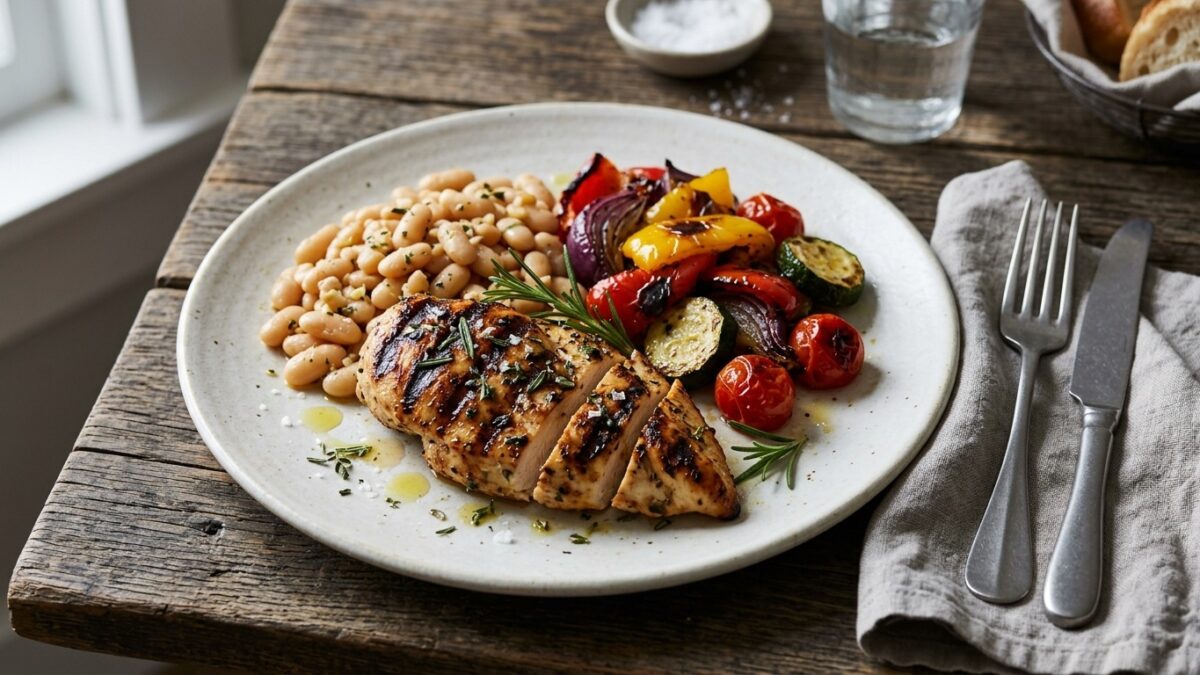
| Dinner | Include protein, vegetables and a starch | Keeps you full longer |
| After dinner | Brush your teeth or have a herbal tea | Signals the kitchen is closed |
| One hour before bed | Dim lights and put screens away | Helps your body wind down |
| Bedtime | Go to bed at a regular time | Supports good sleep |
Keep tempting foods out of sight, or store them in opaque containers. Place fruit and nuts where you can see them. Plan one planned treat after dinner, if you like, so snacking is deliberate rather than automatic.
A sleep-friendly bedroom
Small changes to the room can help.
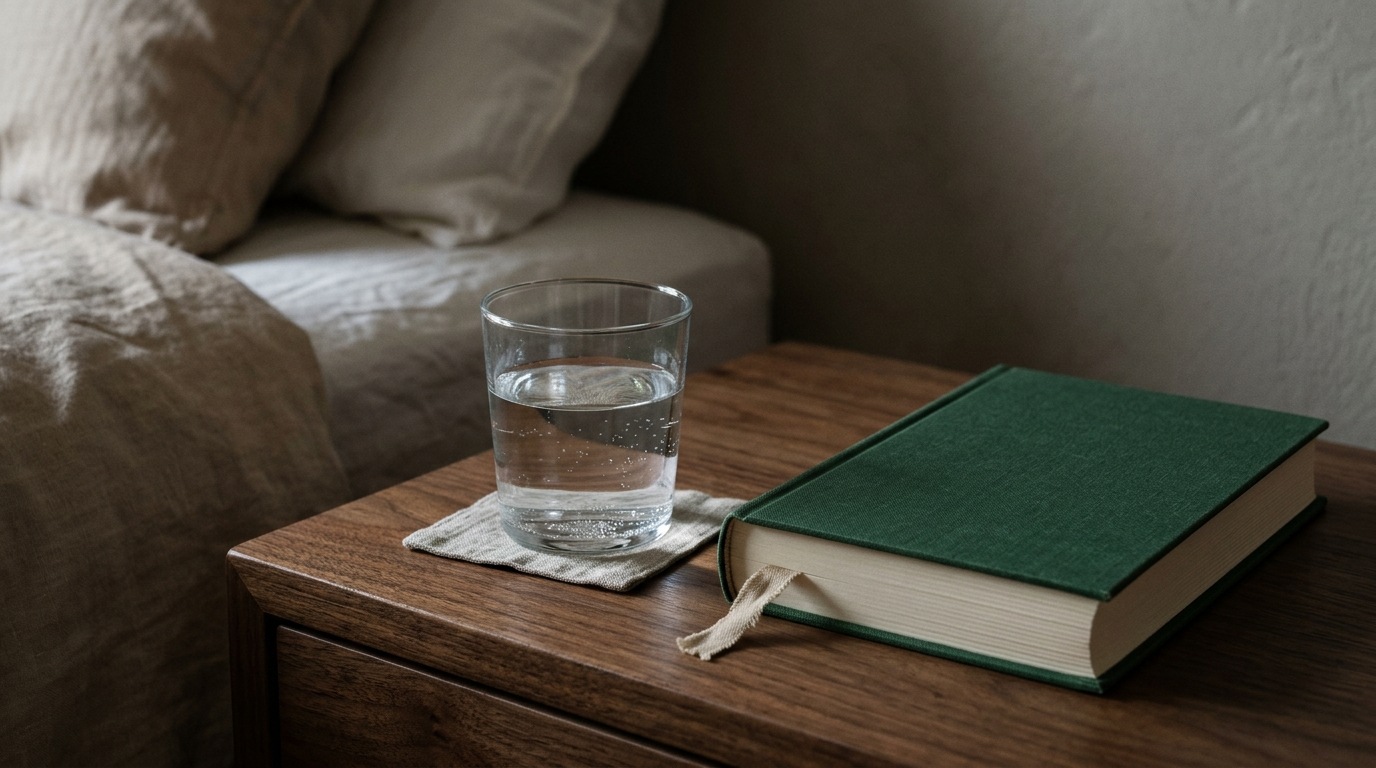
- Keep the room cool, dark and quiet. Blackout curtains or an eye mask can help.
- Reserve the bed for sleep, and avoid working or scrolling in it.
- Keep the phone charging across the room, so it does not tempt you.
- Use a fan or a white noise machine if outside noise bothers you.
- Keep a notepad by the bed for thoughts that would otherwise keep you awake.
Aim to wake up at about the same time every day, including weekends. A regular schedule helps your body settle into a rhythm. If you cannot sleep after about twenty minutes, get up, do something quiet in dim light and return when you feel sleepy.
Caffeine and alcohol
Caffeine can stay in the body for hours, so limit it in the afternoon and evening if it affects your sleep. Alcohol may make you drowsy but often disrupts sleep later in the night and can lower inhibitions around food. If you drink, ask your physician what is appropriate for you.
Reduce stress in small ways
You don’t need a long routine. Try a few minutes of slow breathing, a short walk outside, stretching or writing down tomorrow’s tasks. Activity, time in daylight and time with people you like all help. If stress feels overwhelming, talk with your physician or a mental health professional.
When snacking is part of the plan
Snacks are not the enemy. A planned snack can keep energy steady and prevent overeating later. Choose snacks with protein and fiber, such as yogurt with fruit, cheese and whole-grain crackers, nuts or hummus with vegetables, and portion them into a bowl instead of eating from the package.
Try this week
- Set a regular bedtime and a wind-down reminder.
- Write down when and why you snack for three days.
- Try a ten-minute pause before an unplanned snack.
- Add protein and fiber to your afternoon snack.
- Keep screens out of the bedroom for a week.
Questions for your physician
- Am I getting enough sleep, and could a sleep problem be involved?
- Could any medicine I take affect my sleep or appetite?
- How can I manage stress in a healthy way?
- Would a counselor or dietitian help with emotional eating?
- Are there tests I should have?
Takeaways
Sleep, stress and habit all shape evening snacking. Aim for regular sleep, notice your patterns, eat balanced meals and snacks during the day and create a calm routine at night. Be kind to yourself, and ask for professional help if eating feels out of control.